
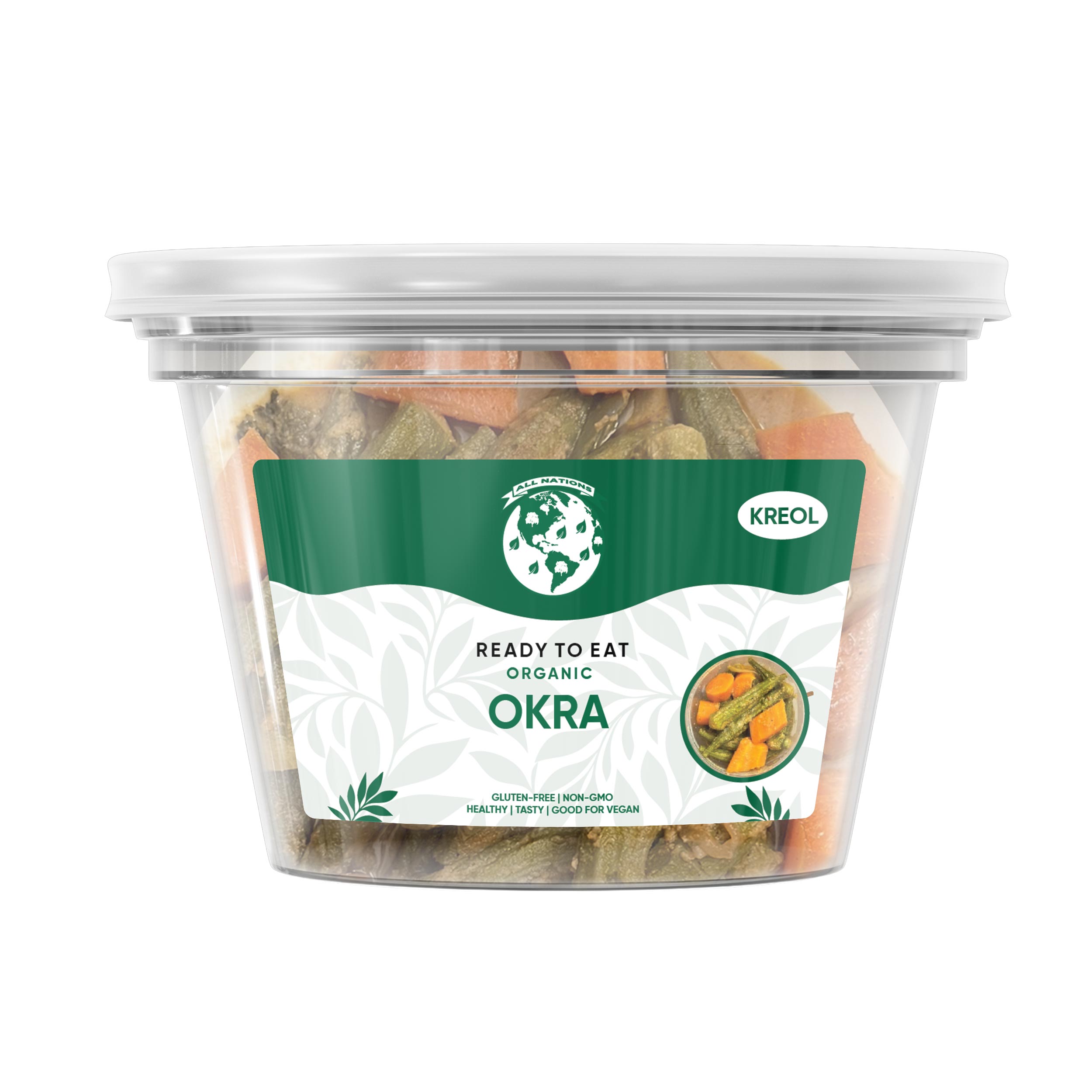
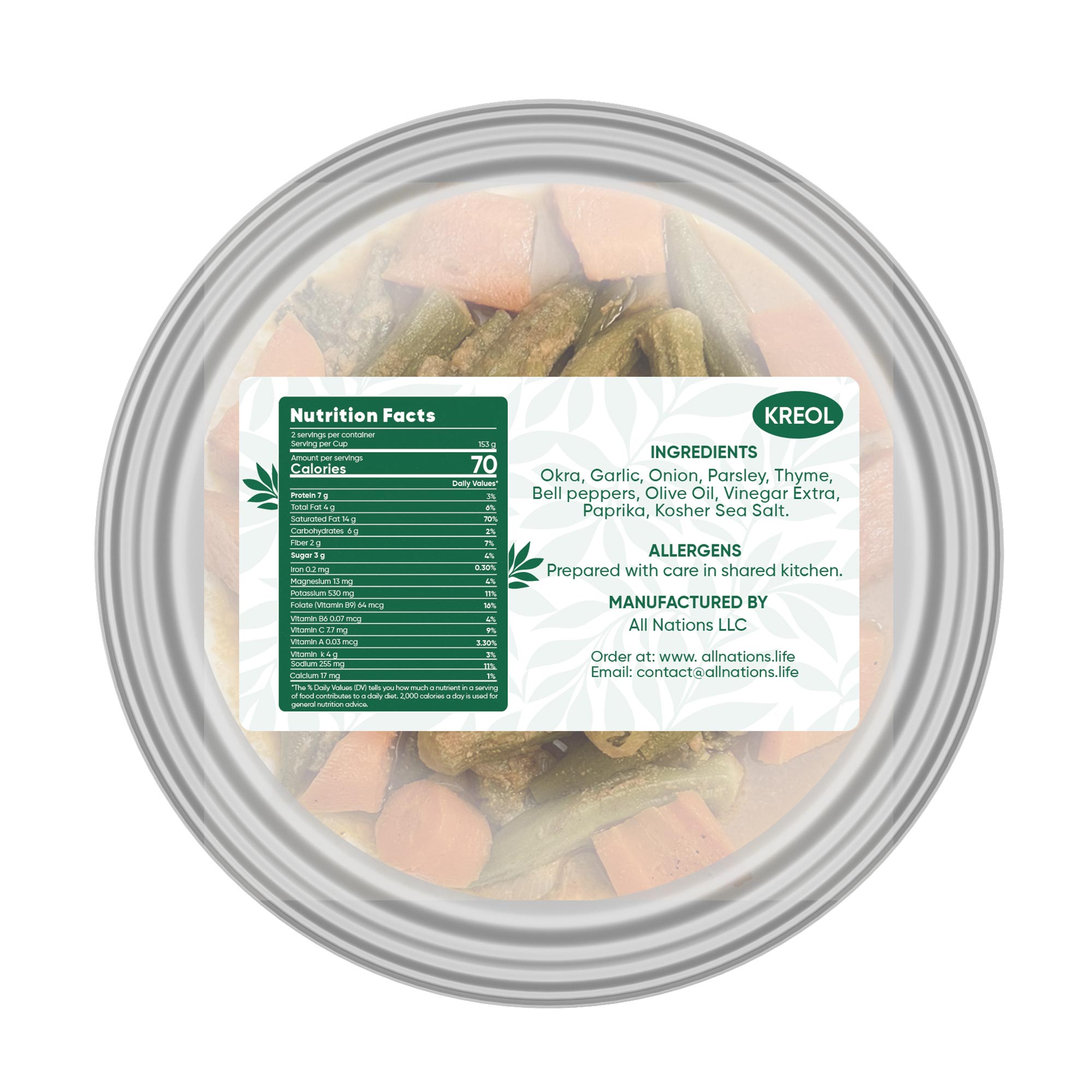
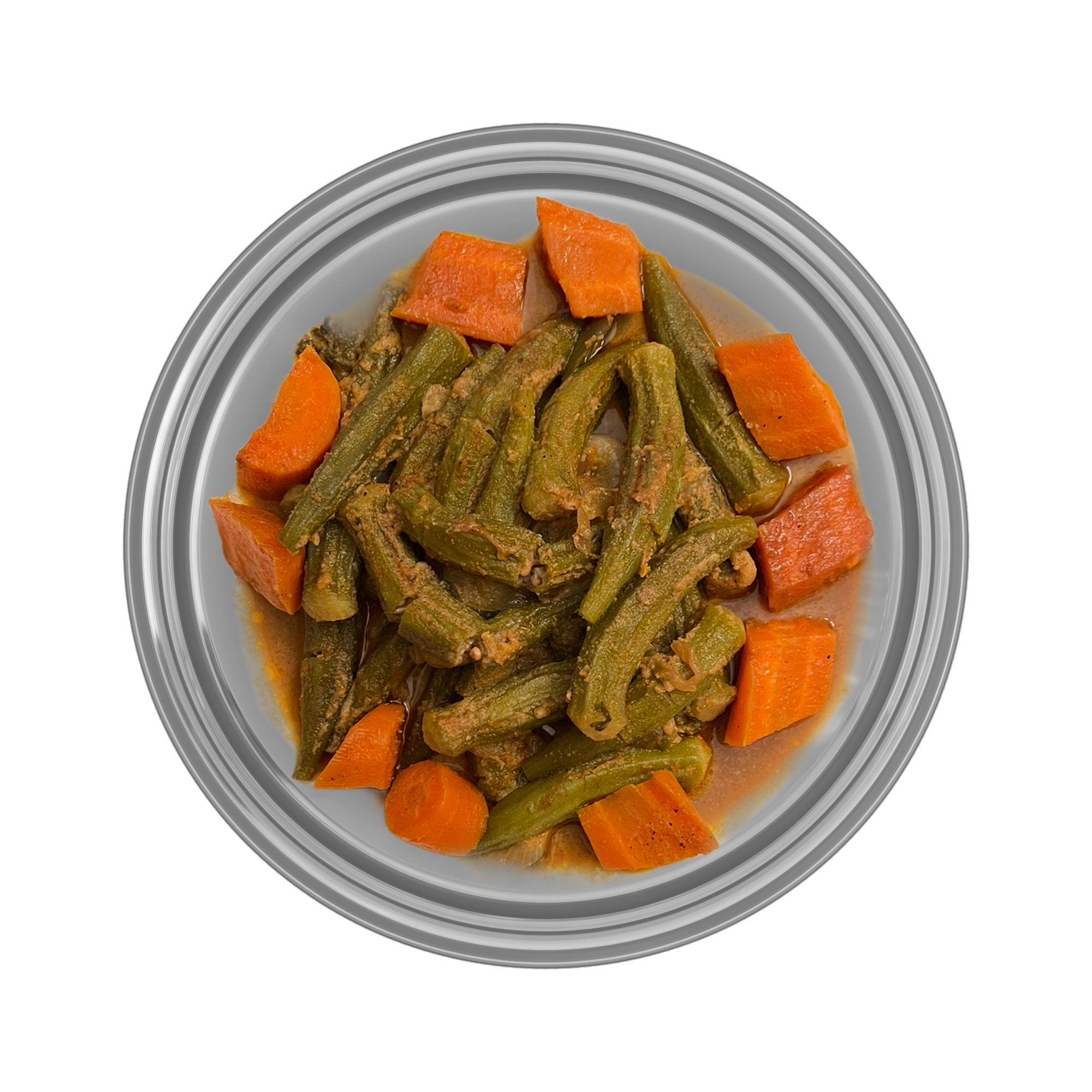
Organic Okra
Discover everything about organic okra: nutritional benefits, certified organic vs conventional differences, growing tips, and proven anti-slime cooking methods.
The Complete Guide to Organic Okra: Health Benefits, Culinary Techniques, and Buying Standards
Organic okra (Abelmoschus esculentus)—often called "lady’s finger"—is a warm-season pod vegetable prized globally across Southern, South Asian, African, and Middle Eastern cuisines. While long celebrated for its thickening powers in stews like gumbo, modern nutritional research has shifted spotlight to its high concentration of soluble fiber, antioxidants, and unique physiological benefits.
Choosing certified organic okra ensures you get these nutrient-rich pods without synthetic pesticide residues or chemical fertilizers that degrade soil microbiology.
Key Takeaways & Fast Facts
| Nutrient / Attribute | Value per 100g (Raw Organic Okra) | Health Impact / Significance |
| Calories | 33 kcal | Ultra-low calorie, ideal for weight management |
| Dietary Fiber | 3.2 g (Soluble & Insoluble) | Supports gut microbiome & smooth digestion |
| Vitamin K1 | 31.3 mcg (26% DV) | Crucial for blood clotting and bone mineralization |
| Vitamin C | 23 mg (26% DV) | Potent antioxidant for immune defense |
| Folate (B9) | 60 mcg (15% DV) | Supports cellular division and prenatal health |
| Glycemic Index | Very Low (< 15) | Minimal impact on blood glucose spikes |
Organic vs. Conventional Okra: What’s the Difference?
Winter squashes and root vegetables develop thick protective skins, but okra pods feature delicate, ridged, micro-hairy surfaces (trichomes) that readily absorb topical spray treatments.
-
Pesticide Absorption: Conventional okra frequently lands on pesticide monitoring watchlists due to heavy application of organophosphates and synthetic pyrethroids during warm-weather pest surges (such as pod borers and aphids). Organic cultivation relies instead on neem oil, beneficial predatory insects, and crop rotation.
-
Mucilage Quality: Organic farming builds rich, biologically active soil through compost and cover crops. This balanced micro-nutrient intake produces pods with higher polysaccharide density—the compound responsible for okra’s signature mucilage.
-
Environmental Impact: Okra plants heavily exhaust soil nitrogen. Organic practices replenish topsoil biology rather than flushing synthetic nitrate runoff into local watersheds.
Health Benefits of Organic Okra
1. Blood Sugar Management
Okra pods contain high levels of myricetin and isoquercitrin, flavonoids that inhibit carbohydrate-digesting enzymes in the intestine. The gel-like soluble fiber slows glucose absorption in the digestive tract, preventing post-meal blood sugar spikes.
2. Gut Health & Digestive Support
Okra's mucilage consists of complex sugar chains (rhamnogalacturonans and pectins). This gel feeds beneficial probiotic bacteria in the large intestine (acting as a prebiotic) while coating the gut lining to ease inflammation.
3. Heart & Cholesterol Support
Soluble fiber in organic okra binds to cholesterol-containing bile acids during digestion, forcing the liver to excrete them rather than reabsorbing them into the bloodstream.
How to Cook Okra Without the Slime
The viscosity in okra comes from mucilage, which breaks down and turns stringy when exposed to moisture and low, wet heat. To enjoy tender, crispy, non-slimy okra, follow these three culinary rules:
                          [ High Heat / Dry Prep ]
                                     |
    +--------------------------------+--------------------------------+
    |                                |                                |
[ High-Heat Searing ]       [ Acid Neutralization ]         [ Keep Pods Dry ]
Flash-fry or roast at       Pair with tomatoes, vinegar,     Wash and dry 100%
420°F+ to evaporate moisture. or citrus to break down gel.  before slicing into pods.
Proven Anti-Slime Methods
-
Keep it Dry Before Slicing: Wash pods thoroughly under cold water, then dry every pod completely with a clean kitchen towel before cutting. Cutting wet pods immediately releases mucilage.
-
High-Heat Roasting or Searing: Roast cut okra at 420°F (215°C) on a preheated sheet pan with olive oil for 20–25 minutes. High heat dehydrates the mucilage before it turns viscous.
-
Incorporate Acid: Cook okra alongside acidic ingredients like organic tomatoes, lemon juice, or apple cider vinegar. The acid breaks down the viscous polysaccharides naturally.
-
Flash Stir-Fry: Sauté sliced pods over medium-high heat in a cast-iron skillet for 6–8 minutes without overcrowding the pan.
Selection, Storage, and Prep Guide
How to Pick Fresh Organic Okra
-
Pod Size: Choose small to medium pods (2 to 4 inches long). Overgrown pods become woody, fibrous, and difficult to chew.
-
Snap Test: The tip of a fresh okra pod should snap off cleanly when bent. If it bends or feels leathery, the pod is past its prime.
-
Appearance: Look for bright green (or deep crimson heirloom) pods free from soft spots, bruising, or blackened tips.
Storage Best Practices
-
Do Not Wash Until Ready to Use: Moisture accelerates decay and mold.
-
Refrigeration: Store dry pods loosely wrapped in a paper towel inside a breathable or perforated paper bag in the crisper drawer. Use within 3 to 4 days.
-
Freezing: Wash, trim the stems (without piercing the seed cavity), blanch in boiling water for 2 minutes, plunge into an ice bath, dry thoroughly, and freeze in an airtight bag for up to 9 months.
Frequently Asked Questions
What is organic okra water, and does it work?
Okra water is made by soaking sliced organic okra pods in water overnight. The soluble fiber and antioxidants leach into the liquid. While it can aid hydration and mild blood sugar regulation, eating whole pods provides far superior dietary fiber. Always use organic pods for soaking to avoid leaching pesticide residues into your water.
Can you eat organic okra raw?
Yes. Young, tender organic okra pods can be thinly sliced into salads or served with dips. Raw okra has a crisp crunch similar to green beans and avoids the mucilage release triggered by cooking.
Why does okra get woody?
As okra pods mature past 4 or 5 inches on the stem, the plant deposits lignin into the pod walls to support seed development. Lignin creates a tough, wood-like texture that cannot be softened by cooking.
Additional information
| Dimensions | 5 × 5 × 8 in |
|---|
You must be logged in to post a review.

Reviews
There are no reviews yet.