
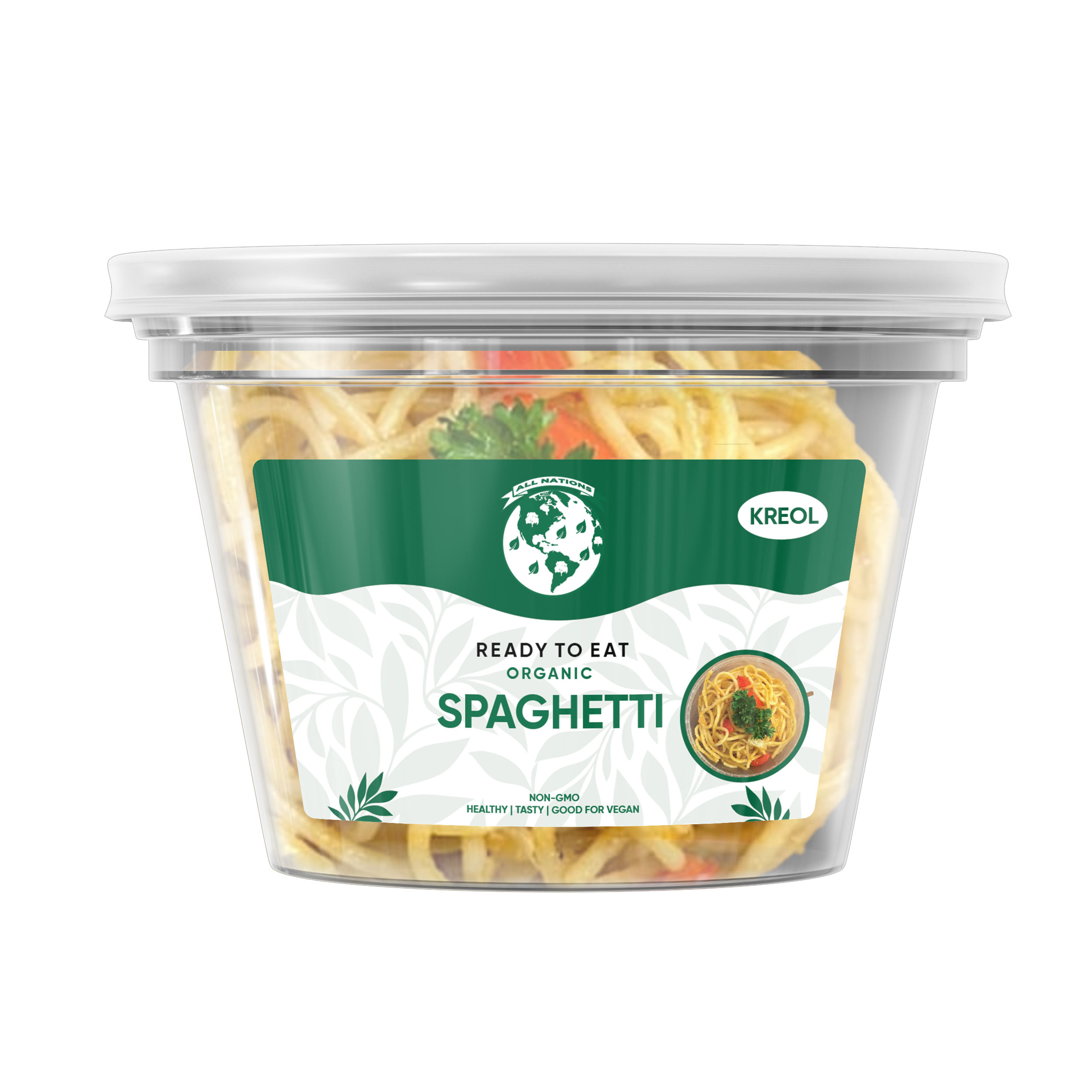
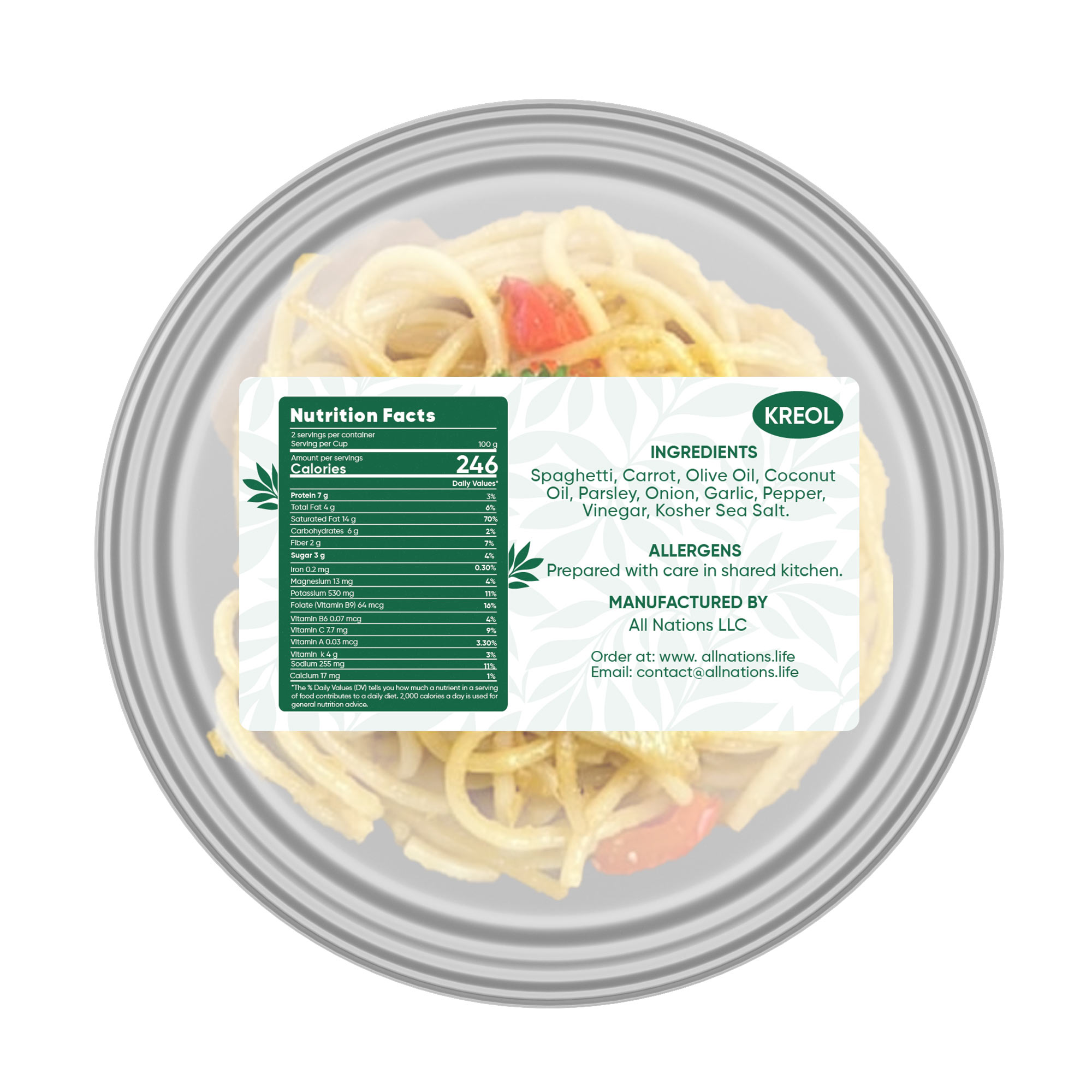
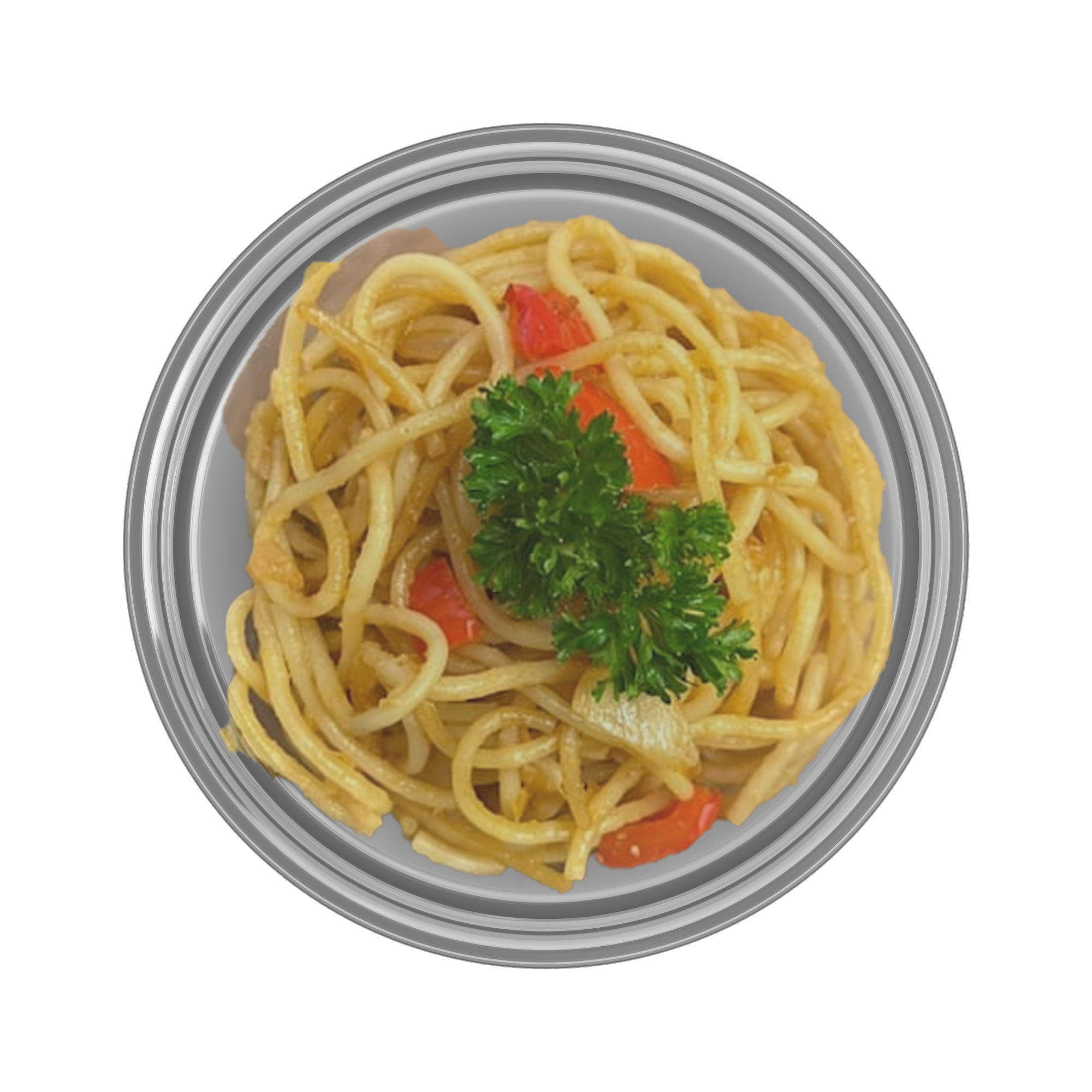
Organic Spaghetti
Discover why organic spaghetti is a healthier, tastier choice. Learn about glyphosate-free wheat, bronze-die extrusion, and how to cook the perfect al dente pasta.
The Ultimate Guide to Organic Spaghetti: Health, Taste, and Quality
Pasta is one of the world’s most beloved comfort foods, but in recent years, health-conscious consumers have started asking tough questions about how their wheat is grown and processed. Enter organic spaghetti.
Far from being just a trendy label, choosing organic pasta fundamentally changes what you are feeding your body. From avoiding harmful chemical residues to experiencing the superior texture of traditionally milled durum wheat, upgrading your pantry staples can have a massive impact on both your health and your culinary results.
In this comprehensive guide, we will explore exactly why organic spaghetti is worth the investment, how to identify high-quality authentic Italian brands, and the foolproof method for cooking it perfectly al dente every time.
What Makes Spaghetti Truly "Organic"?
By definition, organic spaghetti is made from wheat (typically durum wheat semolina) that is cultivated according to strict organic farming standards. This means:
-
No synthetic pesticides or herbicides: The crops are grown without chemical interventions.
-
No artificial fertilizers: Soil health is maintained through crop rotation and natural composting.
-
Non-GMO: Organic certification prohibits the use of genetically modified seeds.
When you buy certified organic spaghetti, you are not just getting a cleaner product; you are supporting agricultural practices that promote soil biodiversity and water conservation.
Organic vs. Conventional Spaghetti: The Glyphosate Problem
The biggest driver pushing consumers toward organic wheat products is the use of glyphosate (the active ingredient in popular weed killers like Roundup) in conventional farming.
In conventional agriculture, wheat is sometimes sprayed with glyphosate right before harvest as a desiccant (a drying agent) to speed up the harvesting process. This practice can leave chemical residues on the grain that eventually make their way into conventional pasta.
| Feature | Certified Organic Spaghetti | Conventional Spaghetti |
| Glyphosate Residue | Zero (Prohibited by law) | Potential for trace residues |
| Farming Method | Sustainable, soil-focused | Chemically reliant |
| Nutrient Preservation | High (often minimally processed) | Varies by brand |
| Price Point | Moderate to Premium | Budget-friendly |
The Verdict: If you consume pasta regularly, switching to organic is one of the most effective ways to reduce your exposure to synthetic agricultural chemicals.
Top 3 Health Benefits of Organic Spaghetti
1. Cleaner Energy and Better Digestion
Organic durum wheat is rich in complex carbohydrates, providing a steady release of energy rather than a rapid sugar spike. Furthermore, without the presence of synthetic pesticides that can disrupt the gut microbiome, many people find organic pasta easier to digest.
2. Higher Nutritional Integrity
High-quality organic spaghetti, especially organic whole wheat spaghetti, retains the bran and germ of the wheat kernel. This delivers a substantial dose of dietary fiber, B vitamins, iron, and magnesium.
3. Supports a Healthy Heart
The soluble fiber found in whole-grain organic spaghetti can help lower cholesterol levels and manage blood sugar, contributing to overall cardiovascular health.
Additional information
| Dimensions | 5 × 5 × 8 in |
|---|
You must be logged in to post a review.
Reviews
There are no reviews yet.